sam dev
-
October 03, 2025
A chimney liner is your best way to avoid a potentially dangerous and even deadly chimney fire. This isn't simply our opinion. The National Bureau of Standards previously determined in the 1940s that chimney liners are essential to keeping a building up to code and ensuring fire safety. Unlined chimneys, and chimneys with a poor quality liner are considered unsafe and a major fire hazard.
A properly insulated chimney liner helps to prevent creosote buildup on the inside walls of the flue. By insulating the inside of the flue from the outside structure of the chimney, the chimney liner keeps the flue hotter. This is important because it minimizes condensation of creosote and moisture inside the flu. This condensation is the cause of dangerous creosote buildup that so often leads to a chimney fire.
A chimney liner is required for optimal performance and safety! Your goal is to make sure your chimney liner passes inspections each year. You can keep up with maintenance by scheduling a fireplace cleaning at least once a year. This won't completely solve the problem, though. Regardless of what you try to do to keep your chimney in excellent condition, the liner is bound to wear down eventually.
A chimney liner may not last forever. How old is yours? If it is too old, it may be time for a chimney liner replacement. The average lifespan of a chimney liner is 25 to 30 years. After two decades, you may need to replace the entire liner to make sure it’s still up to code and not
-
October 03, 2025
A chimney liner is your best way to avoid a potentially dangerous and even deadly chimney fire. This isn't simply our opinion. The National Bureau of Standards previously determined in the 1940s that chimney liners are essential to keeping a building up to code and ensuring fire safety. Unlined chimneys, and chimneys with a poor quality liner are considered unsafe and a major fire hazard.
A properly insulated chimney liner helps to prevent creosote buildup on the inside walls of the flue. By insulating the inside of the flue from the outside structure of the chimney, the chimney liner keeps the flue hotter. This is important because it minimizes condensation of creosote and moisture inside the flu. This condensation is the cause of dangerous creosote buildup that so often leads to a chimney fire.
A chimney liner is required for optimal performance and safety! Your goal is to make sure your chimney liner passes inspections each year. You can keep up with maintenance by scheduling a fireplace cleaning at least once a year. This won't completely solve the problem, though. Regardless of what you try to do to keep your chimney in excellent condition, the liner is bound to wear down eventually.
A chimney liner may not last forever. How old is yours? If it is too old, it may be time for a chimney liner replacement. The average lifespan of a chimney liner is 25 to 30 years. After two decades, you may need to replace the entire liner to make sure it’s still up to code and not
-
October 02, 2025
A chimney liner is your best way to avoid a potentially dangerous and even deadly chimney fire. This isn't simply our opinion. The National Bureau of Standards previously determined in the 1940s that chimney liners are essential to keeping a building up to code and ensuring fire safety. Unlined chimneys, and chimneys with a poor quality liner are considered unsafe and a major fire hazard.
A properly insulated chimney liner helps to prevent creosote buildup on the inside walls of the flue. By insulating the inside of the flue from the outside structure of the chimney, the chimney liner keeps the flue hotter. This is important because it minimizes condensation of creosote and moisture inside the flu. This condensation is the cause of dangerous creosote buildup that so often leads to a chimney fire.
A chimney liner is required for optimal performance and safety! Your goal is to make sure your chimney liner passes inspections each year. You can keep up with maintenance by scheduling a fireplace cleaning at least once a year. This won't completely solve the problem, though. Regardless of what you try to do to keep your chimney in excellent condition, the liner is bound to wear down eventually.
A chimney liner may not last forever. How old is yours? If it is too old, it may be time for a chimney liner replacement. The average lifespan of a chimney liner is 25 to 30 years. After two decades, you may need to replace the entire liner to make sure it’s still up to code and not
-
March 30, 2021
A chimney damper is a necessary accessory for homes with a chimney. It allows all of the smoke and soot to go out, without letting anything down the chimney itself. This means rainwater, pests, and more. A chimney damper is also a great device to close off your chimney flue and help keep heat and cooling in your home instead of leaving right up and out the chimney flue.
A chimney damper is a fairly simple device; it is used to close or partially close off the flue. When the damper is in the open position, it allows the smoke away to exit out. In the closed position, the damper helps prevent outside air from entering or your conditioned air from exiting the house. This will help to make your home more energy-efficient.
They are constructed of metal and can withstand the heat of the fire and still function properly without damage. They are controlled by a handle, pull chain, or latch. Once you
-
March 03, 2011
Heating with a fireplace is one of the best ways to heat. If you ask your grandparents how they used to heat their homes growing up they will likely tell you that it was done with a fireplace. Back years ago about the only way that you could heat your home was with a fireplace burning wood. Now days we have all kinds of ways to heat our homes. Popular ways to heat homes now days include: gas, propane, oil, wood pellets and electric. There is a lot of ways to heat homes but some people prefer different heat sources.
One thing about heating with a chimney and that is you will be burning wood. You will have an actual fire making your heat. There is a big difference between heating with electricity and heating with real fire. If you have a chimney every so often you will need to put in a new chimney liner. It is important to do this because a real fire can cause a real fire to your home
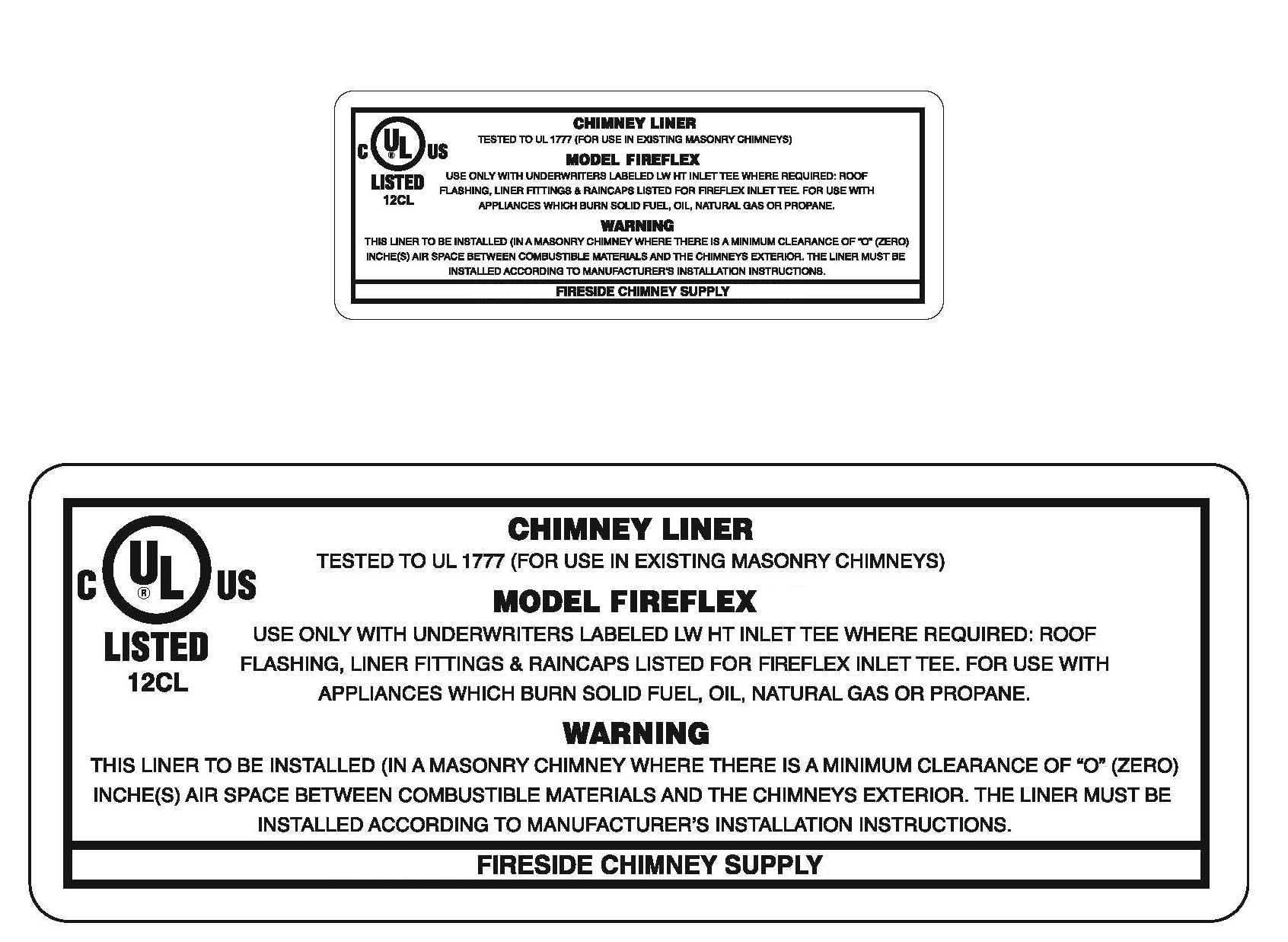
Others may claim their chimney liners are UL listed. We show you the proof.


Open Weekdays
Monday - Friday 9am - 5pm
Saturday Closed
Sunday Closed
1-877-486-8119